Real estate closings involve more than a signature and a stamp.
There are loan documents to organize, identities to verify, deadlines to track, and several parties waiting for updates. When one detail gets missed, funding or recording may be delayed.
That’s why the right signing professional matters.
A notary public, mobile notary, loan signing agent, closing agent, and closing coordinator each support a different part of the process. Conversational AI is also becoming a useful behind-the-scenes tool for matching professionals, screening documents, and keeping communication moving.
Here’s how the roles compare, and how technology can help create a smoother closing.
Quick Q&A: Loan Signing Agents and Mobile Notaries
Is a loan signing agent the same as a mobile notary?
Not exactly. A loan signing agent is a notary public with additional training focused on mortgage and real estate loan packages. A mobile notary travels to the signer but may handle many types of documents.
What does a loan signing agent do?
A loan signing agent guides signers through the loan package, identifies required signatures and initials, completes notarizations, checks the package, and returns it according to lender or title instructions.
Does a notary explain loan terms?
Generally, no. A notary may explain the general purpose of a document and identify where to sign. Questions about interest rates, fees, payment terms, or legal rights should go to the lender, title professional, or attorney.
What is a closing agent?
A closing agent oversees the broader real estate closing. Depending on the state and transaction, this may be a title or escrow officer, settlement agent, or attorney.
How can conversational AI help with a closing?
AI can help collect appointment details, match a signing professional, flag missing information, send reminders, and organize status updates. A qualified human must still review documents and perform the notarial act.
Notary Public: The Foundation
A notary public is a state-commissioned official who performs specific notarial acts.
The basic responsibilities usually include:
- Checking the signer’s identity
- Confirming the signer appears willing to sign
- Confirming the signer appears aware of the signing
- Witnessing signatures when required
- Completing the notarial certificate
- Applying the required seal or stamp
A notary public may work with affidavits, powers of attorney, business documents, estate documents, and real estate paperwork.
The role is intentionally neutral. A notary doesn’t decide whether a document is a good idea. The notary also doesn’t provide legal advice or recommend loan terms.
That separation helps protect everyone involved.
Mobile Notary: Notary Services That Come to the Signer
A mobile notary performs the same basic notarial duties but travels to the signer’s preferred location.
That could be:
- A home
- An office
- A hospital
- A senior living community
- A real estate office
- Another agreed meeting location
Mobile notary services can be helpful when schedules don’t line up with traditional office hours. They can also make signings easier for people who have limited transportation or are located far from a title office.
However, “mobile” describes how the service is delivered: not the professional’s level of loan expertise.
A mobile notary may be highly experienced with real estate documents. Another may focus mainly on general notarizations. Confirming the person’s experience before scheduling can help avoid surprises.

Loan Signing Agent: A Specialized Real Estate Signing Professional
A loan signing agent, also called a notary signing agent, is a notary public who has specialized training in mortgage loan documents and closing procedures.
The loan signing agent usually works with a complete package rather than a single document.
Before the signing
The loan signing agent may:
- Receive the package from a lender, title company, escrow office, or signing service
- Confirm the appointment time and location
- Print or prepare the documents
- Organize the signing order
- Confirm signer names and identification requirements
- Review instructions from the hiring party
During the signing
The loan signing agent may:
- Verify government-issued identification
- Direct signers to signature, date, and initial locations
- Provide a general description of documents
- Complete required notarizations
- Watch for obvious missing signatures or initials
- Contact the hiring party when something doesn’t seem correct
A loan signing agent can help the appointment stay organized, especially when the package includes dozens or even hundreds of pages.
Still, the role has limits. A loan signing agent shouldn’t interpret complex loan terms, explain whether a borrower should sign, change figures, or provide legal advice.
If a signer has questions about the interest rate, cash to close, payment amount, or loan conditions, the safest step is to pause and contact the lender or closing professional.
After the signing
The package may need to be:
- Reviewed for missing signatures and dates
- Scanned back for approval
- Uploaded through a secure system
- Shipped with a specific label
- Returned by a strict deadline
This final quality check can make a real difference. A missing initial or incomplete notarial certificate may lead to a correction, delayed funding, or a second signing.
Closing Agent: The Person Overseeing the Transaction
A closing agent handles the broader closing process.
The exact title and responsibilities vary by state and company. A closing agent may be a title or escrow officer, settlement agent, or attorney.
Typical responsibilities can include:
- Coordinating the buyer, seller, lender, agents, and signing professionals
- Reviewing title and settlement requirements
- Preparing or coordinating closing documents
- Explaining documents and transaction terms when permitted
- Confirming funds are received
- Managing disbursement instructions
- Coordinating recording and title policy delivery
The closing agent is not the same as a loan signing agent.
The signing agent focuses on the appointment and execution of the loan package. The closing agent manages the transaction at a much broader level.
That distinction matters when a question comes up. A loan signing agent may identify where a document is signed. A closing agent or lender can usually address why a fee appears or how a loan term works.
Closing Coordinator: Keeping the Moving Parts Connected
A closing coordinator supports the flow of information and deadlines.
This role may involve:
- Scheduling signings
- Confirming parties and contact details
- Tracking document delivery
- Sending reminders
- Monitoring outstanding items
- Coordinating with mobile notaries and loan signing agents
- Updating title companies, lenders, and real estate agents
- Escalating issues to the right decision-maker
A closing coordinator doesn’t replace the closing agent, lender, attorney, or notary. Instead, the coordinator helps make sure each professional has the information needed to do their job.
This is especially useful when a transaction includes remote parties, several time zones, last-minute document changes, or a tight funding schedule.
How Conversational AI Helps Keep Closings Moving
Conversational AI uses natural-language messaging to collect information, answer routine questions, and trigger workflow steps.
It can support a closing team in several practical ways.
1. Helping signing agents get hired
Finding the right signing professional can take time. A conversational AI assistant can collect information such as:
- Signing location
- Preferred appointment time
- Loan type
- Number of signers
- In-person or remote preference
- Language needs
- Required experience
- Scanback or shipping deadline
The system can then help a coordinator identify available professionals who fit the request.
For a loan signing agent, this may also create a faster way to respond to new assignments, confirm availability, and provide credentials or service-area information.
2. Screening documents for obvious issues
AI can assist with administrative document screening by flagging items such as:
- Missing signatures
- Blank date fields
- Incomplete initials
- Name mismatches
- Missing notarial certificates
- Pages that appear absent
- Documents that may need a second review
This type of screening is a quality-control aid. It isn’t a legal opinion, and it shouldn’t replace a trained human review.
Think of it as a second set of organized eyes before the package is returned.
3. Coordinating signing appointments
Scheduling is often where a closing begins to wobble.
A conversational AI assistant can help send:
- Appointment confirmations
- ID reminders
- Location instructions
- RON technology checklists
- Document-ready notices
- Scanback reminders
- Shipping instructions
- Completion updates
If a signer reports an expired ID or a schedule conflict, the issue can be surfaced quickly instead of sitting in an inbox.
4. Keeping everyone updated
Agents, lenders, title companies, and sellers don’t always need a long email. They need a clear status.
AI can help organize updates such as:
- Signing scheduled
- Documents received
- Appointment confirmed
- Signing completed
- Package under review
- Scanback sent
- Original documents shipped
- Issue escalated to title or lender
That visibility helps reduce repeated phone calls and the familiar “Has anyone heard anything?” problem.
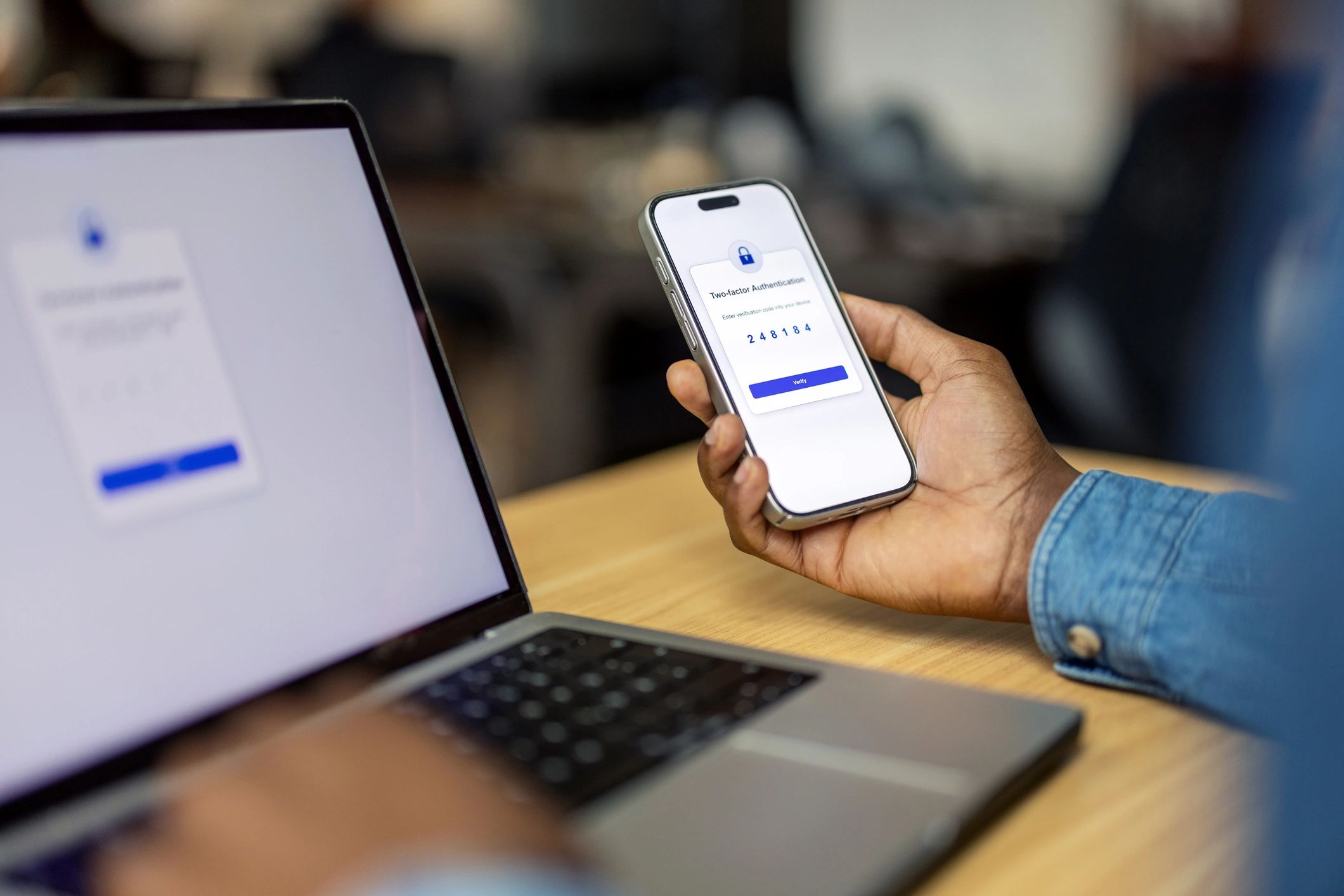
AI Should Support People, Not Replace Them
Conversational AI can improve speed and organization, but real estate closings still require qualified human professionals.
AI shouldn’t:
- Perform a notarial act
- Verify identity without the required legal process
- Interpret a borrower’s loan terms
- Provide legal or financial advice
- Decide whether someone should sign
- Change a closing document
- Approve a transaction for funding
Those responsibilities remain with the appropriate notary, lender, title professional, attorney, or closing agent.
The best workflow combines technology with human judgment. AI handles routine coordination and flags possible issues. Experienced professionals review, explain what they’re authorized to explain, and make the final decisions.
Choosing the Right Closing Support
Use a notary public when a document needs a standard notarization.
Choose a mobile notary when travel and scheduling flexibility are important.
Request a loan signing agent when a complete mortgage package needs to be organized, signed, notarized, checked, and returned.
Work with a closing agent when the transaction requires oversight of title, escrow, funds, recording, and the complete closing process.
Add a closing coordinator when several parties, deadlines, and document steps need to stay connected.
For more help with the signing process, review Finest Closing Services’ guide to hiring a loan signing agent. For digital options, see the guide to RON, hybrid, and in-person closings.
A Smoother Closing Starts With the Right Coordination
The difference between a mobile notary and a loan signing agent may seem small at first. During a busy real estate closing, it can make a meaningful difference.
The right professional helps keep the signing organized. The closing agent protects the broader transaction. The closing coordinator keeps communication and deadlines visible. Conversational AI helps connect those pieces faster.
Need help arranging mobile notary services, loan signing support, or closing coordination? Call (407) 305-0497 or contact Finest Closing Services to discuss the next step.

Related Questions
Can a mobile notary handle a mortgage closing?
Possibly, but experience varies. A loan signing agent is generally better suited for a full mortgage package because the role includes signing guidance, package organization, notarization, and return procedures.
Does a loan signing agent work for the buyer?
The hiring party may be the lender, title company, escrow office, or signing service. The loan signing agent remains a neutral signing professional and should not advise the borrower about the transaction.
Who answers questions about the Closing Disclosure?
The lender or closing professional should answer questions about loan terms, costs, and cash to close. The Consumer Financial Protection Bureau explains that the Closing Disclosure provides final loan terms, projected payments, and closing costs.
Can AI review an entire loan package?
AI can flag possible missing fields or inconsistencies, but human review is still necessary. Requirements can vary by lender, transaction, document type, and state.
What should be confirmed before scheduling a signing?
Confirm the signer names, valid IDs, appointment location or RON requirements, number of signers, document availability, lender instructions, and package return deadline.