A real estate transaction has many moving parts. Contracts, inspections, appraisals, title work, lender requests, disclosures, and signing appointments all need to stay on track.
That’s where the right closing coordinator or transaction coordinator can make a real difference.
A reliable coordinator keeps deadlines visible, follows up with the right people, and spots issues before they become closing-day problems. Newer tools, including conversational AI, can make that process even more organized.
The key is choosing a coordinator who uses technology to support good judgment: not replace it.
What Does a Closing Coordinator Do?
A real estate transaction coordinator manages the administrative details between contract and closing.
Depending on the company and transaction, that may include:
- Tracking contract deadlines
- Organizing transaction documents
- Coordinating with lenders, title companies, agents, and attorneys
- Following up on inspections and appraisal reports
- Monitoring title and escrow updates
- Confirming required disclosures and addenda
- Scheduling mobile notary or Remote Online Notarization appointments
- Sending milestone updates to buyers, sellers, and agents
- Preparing everyone for the final signing
A closing agent may handle the final settlement, document signing, escrow, and legal transfer of funds. A transaction coordinator usually focuses on the broader process and communication leading up to that point.
The roles can overlap, but they aren't always the same. Clarify the scope of service before hiring.
Start by Defining the Help Needed
Before comparing candidates, outline the transaction.
Consider:
- Is this a residential or commercial property?
- How many files need coordination each month?
- Are there multiple lenders, sellers, or buyers?
- Is the property part of an estate, divorce, trust, or investment portfolio?
- Will any signer be out of state?
- Are mobile notary or remote signing services needed?
- Which parties will receive status updates?
A simple list makes interviews more useful. It also helps reveal whether a coordinator has experience with the specific type of transaction involved.
A coordinator who handles straightforward residential purchases every week may not be the best fit for an inherited property with title complications. That doesn't mean the candidate is unqualified. It may simply mean the file needs a different level of experience.
Use Conversational AI to Compare Candidates
Conversational AI can help organize the hiring process.
Start by entering each candidate’s answers into a secure, approved AI system. Ask it to create a side-by-side comparison based on the same criteria.
For example:
Compare these closing coordinator candidates based on transaction experience, communication process, deadline tracking, technology skills, fraud-prevention procedures, and experience with complex files. Identify strengths, possible gaps, and follow-up questions. Do not make a final hiring decision.
This can help turn scattered notes into a clearer picture.
AI can also create:
- Interview scorecards
- Follow-up question lists
- Candidate comparison tables
- Workflow checklists
- Lists of missing information
- Summaries of service agreements
Keep sensitive information out of general-purpose AI tools. Avoid entering Social Security numbers, bank account details, wire instructions, passwords, or full financial documents.
AI should help organize information. It shouldn't make the final decision about trust, compliance, or professional responsibility.
Key Questions to Ask a Closing Coordinator
The best answers will be specific. Vague promises such as “everything is handled” don't reveal much about the actual process.
1. How many transactions are handled at one time?
A busy coordinator may still be a great choice. The important question is whether there is a system for managing multiple files.
Ask what happens when several closings have deadlines in the same week.
Look for details about calendars, checklists, file management, and backup coverage.
2. What happens after an executed contract is received?
A strong process usually begins quickly.
Ask about:
- File opening
- Document collection
- Deadline entry
- Lender and title introductions
- Initial status updates
- Missing information reviews
A coordinator should be able to explain the first day or two of the workflow clearly.
3. How are deadlines tracked?
“It's all in my email” may not be enough.
Ask whether deadlines are tracked through a transaction management platform, shared calendar, task system, or written checklist.
Important dates may include:
- Inspection periods
- Financing deadlines
- Appraisal dates
- Title commitment reviews
- HOA document deadlines
- Final walkthroughs
- Closing and funding dates
A good system reduces the need for repeated reminders.
4. How often are updates sent?
Communication expectations should be clear from the start.
Ask:
- Who receives updates?
- How often are they sent?
- Are urgent issues communicated by phone?
- Is there a shared transaction timeline?
- How quickly are emails and calls returned?
A coordinator doesn't need to be available every minute. Consistent communication matters more than constant communication.
5. How are title issues handled?
Title problems can include liens, unreleased mortgages, ownership questions, probate matters, or missing signatures.
Ask how potential issues are escalated to the title company, closing agent, or attorney.
A coordinator shouldn't give legal advice outside their role. However, a capable coordinator should know when an issue needs immediate attention from the appropriate professional.
6. What is the wire-fraud prevention process?
This question is essential.
A careful coordinator should never treat emailed wiring changes as automatically reliable. A strong process may include:
- Verifying instructions through a known phone number
- Using secure portals
- Confirming changes with the title or escrow company
- Avoiding rushed payment requests
- Documenting verification steps
Urgency, secrecy, and last-minute payment changes deserve extra scrutiny.
7. What experience is there with notary services near me?
If an in-person signing is needed, ask whether the coordinator can arrange reliable notary services near me.
Also ask about:
- Mobile notary availability
- Evening and weekend appointments
- Travel areas
- Document printing
- Signer identification requirements
- Backup options if the first appointment changes
If remote signing may be appropriate, ask whether the coordinator has experience arranging RON appointments. Finest Closing Services explains more about the differences between RON and mobile notary closings.
Red Flags to Watch For
Some warning signs may be easy to overlook during a quick interview.
No clear workflow
A candidate who cannot explain how files are opened, tracked, reviewed, and closed may not have a dependable process.
Ask for a sample timeline or general checklist. Confidential information shouldn't be shared, but the workflow itself should be easy to describe.
Unclear responsibilities
A coordinator should explain what is included and what remains with the agent, lender, title company, attorney, or client.
Unclear boundaries can lead to missed tasks and duplicated work.
Pressure to overlook missing documents
A closing may feel urgent, but incomplete paperwork doesn't seem to become safer under pressure.
Be cautious if a candidate suggests moving forward without proper documentation, title clearance, identity verification, or written approval from the responsible party.
Weak communication habits
Delayed replies happen. A pattern of disappearing during important milestones is different.
Ask how difficult issues are reported. A strong coordinator raises concerns early and suggests the next step.
No fraud-prevention procedures
A coordinator who is comfortable accepting new wiring instructions by email alone may create unnecessary risk.
This should be treated as a serious concern.
Extreme views about AI
AI resistance may make routine communication harder. On the other hand, someone who wants AI to make legal, financial, or compliance decisions may not understand the proper limits.
The best approach is balanced: use AI for repetitive support while keeping human review over sensitive decisions.
How a Good Coordinator Uses Conversational AI
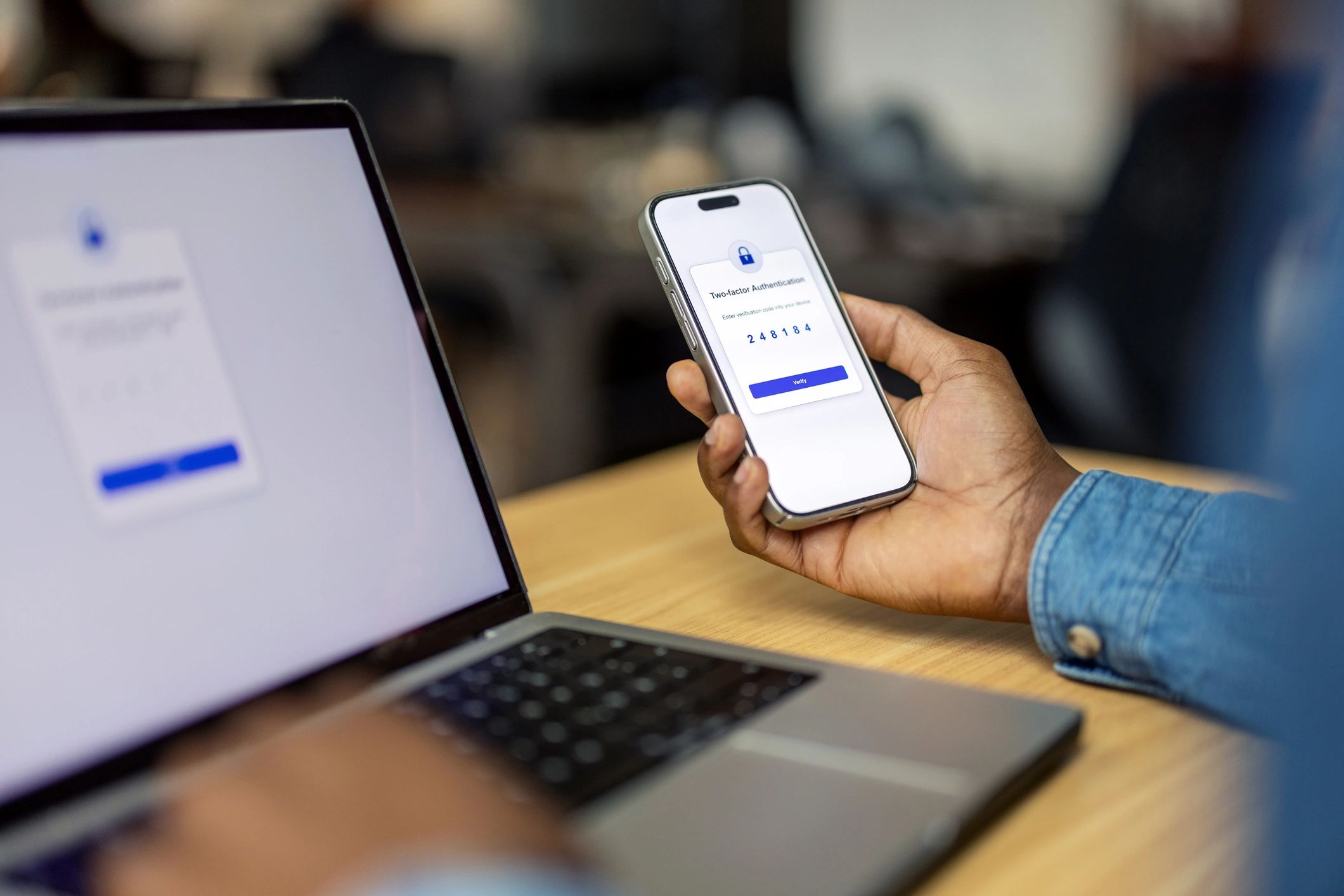
A capable coordinator may use conversational AI in several practical ways.
Routine status questions
An approved AI assistant can help answer questions such as:
- Has the appraisal been received?
- What task is still outstanding?
- When is the final walkthrough?
- Which documents need to be uploaded?
- Has the signing appointment been scheduled?
The assistant should use current information from the coordinator’s workflow. It shouldn't guess when the file is unclear.
Automated reminders
AI can help create plain-language reminders for inspections, document submissions, insurance requirements, walkthroughs, and signing appointments.
The coordinator should review message templates so they match the transaction and don't create confusion.
Intake and issue spotting
A conversational intake tool can ask whether the file involves:
- An inherited property
- A recent divorce
- A trust or estate
- Possible liens
- Missing surveys
- HOA requirements
- Multiple owners
- Out-of-state signers
These answers can prompt human review. They shouldn't be treated as a legal conclusion.
Better internal organization
AI can summarize email threads, identify unanswered questions, and create a list of open tasks. That gives the coordinator more time to follow up with the people who need personal attention.
This is especially helpful when a timeline begins to shift. For more examples, review how a transaction coordinator helps protect a closing timeline.
Build a Simple Candidate Scorecard
After each interview, rate candidates from one to five on:
- Relevant transaction experience
- Deadline management
- Communication
- Title and escrow coordination
- Fraud awareness
- Notary and signing support
- Technology skills
- AI privacy and security awareness
- Availability and backup coverage
- Clarity of pricing and responsibilities
Then ask conversational AI to identify differences in the notes.
The final choice should still come from human review, references, fit, and confidence in the coordinator’s process.
Choose Support That Keeps the Closing Moving
The right closing coordinator doesn't just send reminders. A strong partner creates order, communicates early, and knows when an issue needs to be escalated.
Conversational AI can make that support faster and easier to manage. It can organize information, answer routine questions, and keep tasks visible. The human coordinator remains responsible for judgment, communication, privacy, and careful follow-through.
Finest Closing Services provides professional closing, escrow, title, and notarization support for buyers, sellers, agents, lenders, and title professionals. Learn more about our real estate closing services, or contact the team to discuss the next transaction.
Call (407) 305-0497 to compare your closing support options and get the process moving with confidence.
Q&A: Choosing a Closing Coordinator
What is the difference between a closing coordinator and a transaction coordinator?
A transaction coordinator generally manages the administrative process from contract to closing. A closing coordinator may focus more heavily on the final stage, including lender conditions, settlement documents, signing, and funding. The exact role depends on the provider, so confirm the responsibilities in writing.
Should a real estate agent hire a transaction coordinator?
Many agents use a transaction coordinator to manage paperwork, deadlines, and follow-up. This can leave more time for clients, negotiations, and business development while keeping the file organized.
Can conversational AI replace a real estate transaction coordinator?
Not safely or completely. AI can support reminders, FAQs, summaries, and task organization. Human professionals should still review compliance issues, contracts, title concerns, financial instructions, and unusual circumstances.
What should a closing coordinator do about wire instructions?
Wire instructions should be verified through a trusted channel and a known phone number. An email requesting a last-minute change shouldn't be accepted without independent confirmation.
Can a closing coordinator arrange notary services near me?
Many coordinators can help arrange mobile notary appointments or Remote Online Notarization. Ask about service areas, scheduling, printing, identification requirements, and backup options.
How early should a coordinator be involved?
Earlier is usually better. Involving a coordinator as soon as the contract is executed gives more time to enter deadlines, identify missing documents, and address title, lender, or signing concerns before closing day.