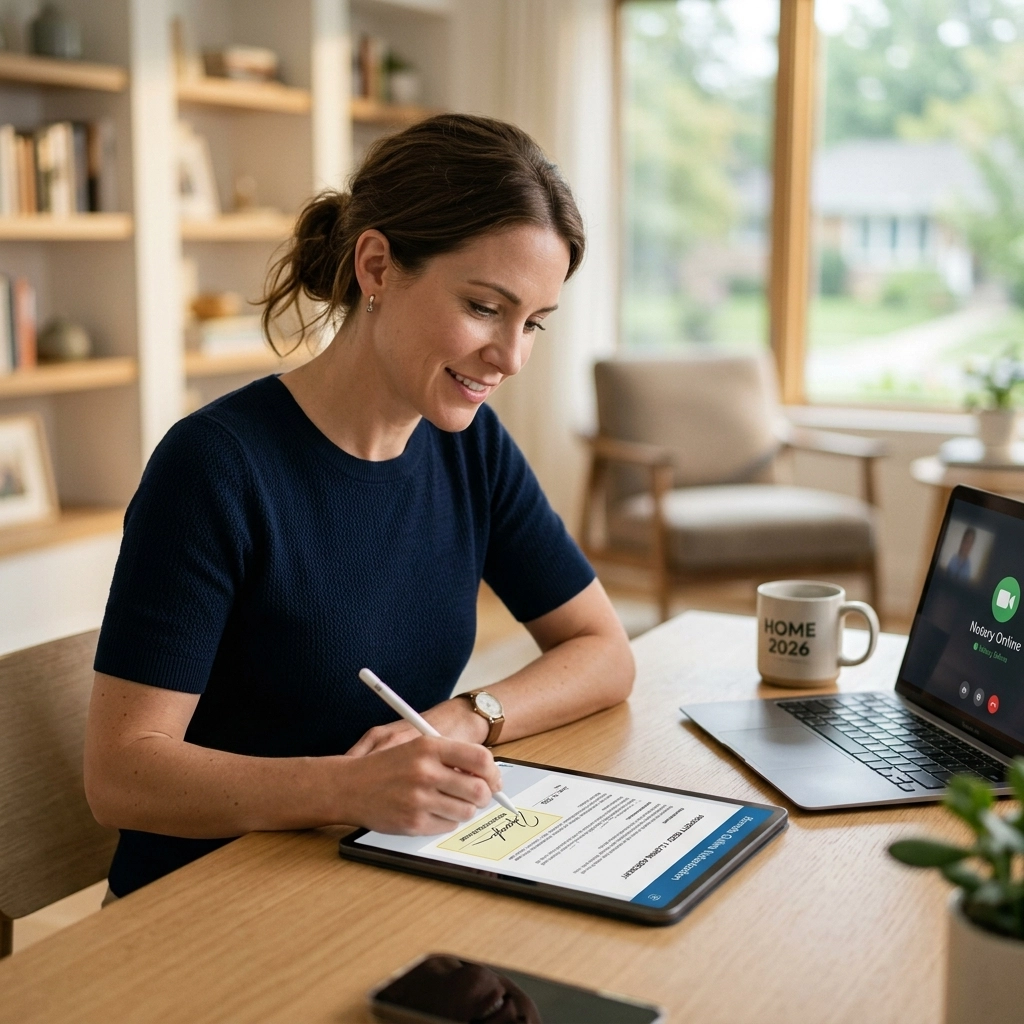
It is Monday, April 6, 2026. The real estate market has shifted from the frantic "just get it done" energy of the early 2020s into a sleek, tech-driven era where speed and security are no longer optional features. They are the baseline. Yet, a question still lingers in coffee shops and closing rooms: Does Remote Online Notarization (RON) really matter anymore, or was it just a temporary fix for a socially distanced world?
The short answer: It matters more now than ever.
In the current landscape, digital closings have evolved from an experimental "plan B" into the gold standard for savvy home buyers, sellers, and real estate professionals. Avoiding RON in 2026 is like insisting on mailing a physical check when everyone else is using instant transfers. It’s possible, sure, but it looks a bit out of touch.
The 2026 Landscape: Why RON is Non-Negotiable
Back in 2020, RON felt like a futuristic luxury. Today, over 45 states and the District of Columbia have permanent RON legislation on the books. We are looking at a country where roughly 90% of the population has legal access to digital notarization. With the SECURE Notarization Act of 2025 finally establishing national minimum standards, the "gray areas" that once made lenders nervous have largely vanished.
Imagine trying to coordinate a closing for a buyer in New York and a seller who decided to spend April in the south of France. In the old days, this involved international couriers, expensive trips to a consulate, and a mountain of stress. Now? A secure video link and ten minutes of time solve the problem.

Security Isn’t Just a Buzzword; It’s the Engine
There used to be a persistent myth that "wet ink" signatures were safer. The logic suggested that a physical human being standing in a room with a driver's license was the ultimate defense against fraud. In 2026, we know better.
Human error is a real thing. It’s easy to glance at a fake ID and miss the red flags. RON platforms, however, don't just "glance." They utilize multi-factor identity verification that far exceeds traditional methods. We’re talking about:
- Knowledge-Based Authentication (KBA): Proving identity by answering questions only the real person would know.
- Credential Analysis: Using AI to scan the security features of an ID card that the naked eye can't see.
- Biometric Verification: Ensuring the person on the camera matches the person on the document.
The session is recorded. The documents are electronically sealed. If someone tries to tamper with the file after the fact, the digital "seal" breaks. It’s a level of transparency that a filing cabinet full of paper simply cannot match. For more on how this stacks up against other methods, check out RON vs. Mobile Notary.
Financial Clarity: The Economics of Going Digital
Subscription fees and platform costs are often cited as reasons to stick to the old ways. But look closer at the math. When the costs of printing hundreds of pages, paying for overnight shipping, and the hours spent on scheduling logistics are added up, the traditional way starts to look incredibly expensive.
In 2026, time is the most valuable currency. A closing that gets delayed by 24 hours because a courier was stuck in a storm can cost thousands in rate locks or moving company fees. RON eliminates the transit time. It turns a "closing day" into a "closing fifteen minutes."
For a deeper dive into why digital adoption is sweeping the industry, see why everyone is talking about remote online notarization.
The Human Element: Transaction Coordination
Even with the best technology, real estate deals are complicated. A digital platform is a tool, not a miracle worker. This is where professional services like Finest Closing Services step in to bridge the gap.
Technology doesn't fix a missing disclosure or a typo in the legal description, people do. Having a dedicated team to manage the digital workflow ensures that when the "Join Meeting" button is clicked, everything is actually ready to be signed. Think of it as having an air traffic controller for your paperwork.
Errors in closing paperwork are the primary reason deals stall at the finish line. Avoiding these common pitfalls is easier when a specialist is involved. Take a look at 7 mistakes you’re making with closing paperwork to see where things often go sideways.

Is Traditional Notarization Dead?
Not quite. There are still instances where a physical presence is preferred or required by specific local jurisdictions or unique loan products. However, the "Mobile Notary" has also evolved. Many mobile notaries now act as hybrid agents, capable of doing IPEN (In-Person Electronic Notarization) or traditional wet-ink signings depending on the need.
The goal isn't necessarily to kill off paper entirely, but to provide the path of least resistance. For a guide on mastering the final signature without the headache, browse through Loan Signing Agent 101.
Looking Ahead: The Future of Your Closing
As we move further into 2026, expect to see even more integration. AI-driven fraud detection will become even more sophisticated, and the "all-in-one" digital closing portal will become the standard for every title company in the country.
If a real estate professional isn't offering these options, it might be time to ask why. Are they protecting the process, or are they just comfortable with the status quo? Choosing a closing service is a major decision that impacts the final impression of a home-buying journey. For advice on how to navigate this choice, see how to choose the best closing service.
Common Questions About RON in 2026
Q: Is Remote Online Notarization legal in all 50 states now?
While the SECURE Notarization Act of 2025 established national standards, individual state implementation can still vary. However, nearly every state now has a framework for either performing or recognizing out-of-state RON acts.
Q: Can any notary perform a RON closing?
No. Notaries must be specifically commissioned or authorized by their state to perform remote notarizations and must use approved, secure platforms that meet state standards.
Q: What equipment is needed for a digital closing?
Generally, a device with a camera and microphone (laptop, tablet, or smartphone) and a stable internet connection are all that's required. The platform handles the rest.
Q: Is RON more expensive for the home buyer?
Often, the platform fee for RON is offset by the lack of travel fees or courier costs associated with traditional closings. Many find it to be a wash financially, but a massive win for convenience.
Q: How do I know my personal data is safe on these platforms?
RON platforms are required to follow strict data privacy and encryption standards. Unlike a paper file sitting on a desk, digital records are encrypted and access is strictly logged.
Finishing the Deal
The truth about digital closings in 2026 is that they aren't a trend anymore: they are the infrastructure of modern real estate. Whether it’s saving a deal from falling apart at the last minute or simply making life easier for a busy family, RON matters because your time matters.
Ready to streamline the process? Finest Closing Services specializes in making the "hard parts" of real estate feel easy. Whether you need a closing coordinator to save a deal or a team that understands the nuances of modern notarization, help is a phone call away.
Reach out to the team at (407) 305-0497 or visit the contact page to get started. For more insights on the closing process, explore our latest articles and stay ahead of the curve.
Don't let outdated processes slow down your success. Embrace the digital shift and see how much smoother a closing can be when technology and expertise work together. Learn more about our offerings today.