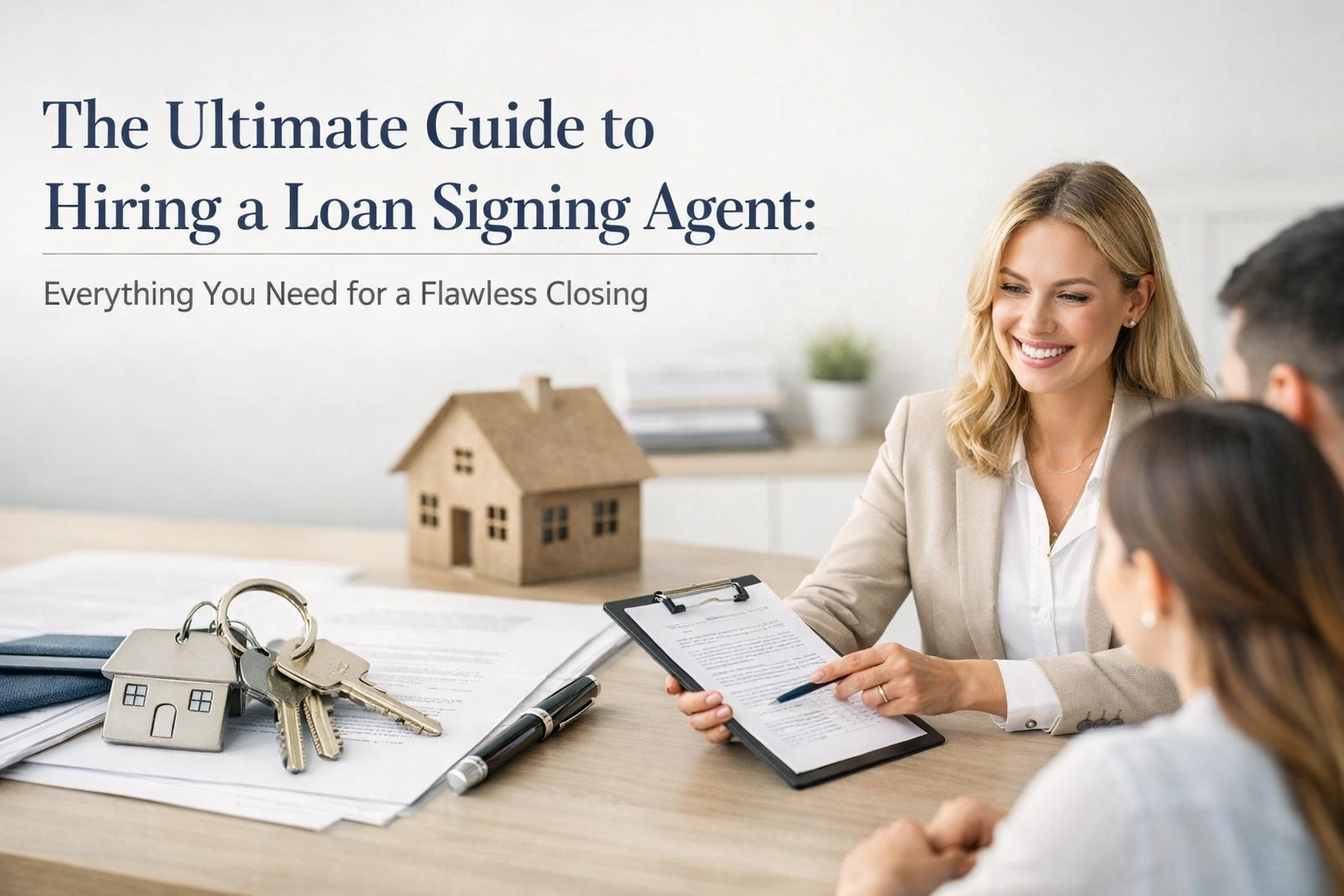
Getting to the finish line of a real estate deal feels like crossing a marathon's end. The paperwork is piled high, the stakes are even higher, and the last thing anyone wants is a signature in the wrong place to derail the entire funding process. This is where a professional loan signing agent enters the picture. While it might seem like just another step in a long journey, choosing the right professional can be the difference between a celebration and a stressful delay.
Understanding the Role: Notary Public vs. Loan Signing Agent
It is a common point of confusion. Every loan signing agent is a notary public, but not every notary is a qualified loan signing agent. A standard notary is commissioned by the state to witness signatures and verify identities on various documents, everything from a simple power of attorney to a permission slip for travel.
However, a loan signing agent (LSA) is a specialist. This professional has specific training in the world of mortgage finance. They understand the difference between a Right to Cancel and a Truth in Lending disclosure. They know exactly where a borrower needs to initial to ensure the lender accepts the package. Hiring an expert means gaining someone who can guide a borrower through a complex stack of 100+ pages without providing legal advice, but with enough knowledge to keep the process moving smoothly.

Why a Professional Closing Agent is Non-Negotiable
When a mistake happens at the closing table, the ripple effects are felt everywhere. Lenders might reject the documents, causing a "funding delay." This can result in missed deadlines, additional interest charges, or even the loss of a rate lock.
Professional mobile notary services offer more than just a stamp. They offer peace of mind. Here are a few reasons why specialized expertise matters:
- Accuracy Under Pressure: Mortgage documents are dense. A professional closing agent knows how to spot missing signatures or dates before leaving the table.
- Borrower Experience: For many buyers, the closing is the first time they see the final numbers. A calm, professional presence helps manage the natural anxiety that comes with a major purchase.
- Neutrality and Compliance: An LSA ensures that the signing is conducted according to state law and lender requirements, protecting all parties involved in the transaction.
What to Look for When Hiring
Choosing someone to handle sensitive financial documents requires a bit of due diligence. It isn't just about finding the closest person with a stamp; it's about finding a verified professional.
1. NNA Certification
The National Notary Association (NNA) offers a certification that has become the industry standard. This certification indicates the agent has passed an exam specifically focused on loan signing procedures. It demonstrates a commitment to the craft that goes beyond basic notary duties.
2. Comprehensive Background Screenings
Security is paramount in real estate. Lenders typically require that any closing agent handling their documents has passed an annual background check. These screenings look into criminal records, social security verification, and even terrorist watch lists. This level of scrutiny ensures that the person sitting at the kitchen table is trustworthy.
3. Professional Experience
While everyone starts somewhere, there is no substitute for experience. A seasoned agent has seen almost every variation of a loan package. They won't be flustered by a late-arriving addendum or a last-minute change to the HUD-1 statement.

The Finest Closing Services Advantage
At Finest Closing Services, the focus remains on making the final step of the real estate transaction the easiest one. Navigating the complexities of various service offerings shouldn't feel like a chore. By partnering with experts who specialize in high-stakes closings, the risk of technical errors or missed signatures drops significantly.
Whether the deal involves a local purchase or managing complex closing logistics, having a dedicated team ensures that every "i" is dotted and every "t" is crossed. The goal is to provide a seamless bridge between the lender, the title company, and the borrower.
Mobile Notary and RON: The Future of Closings
Convenience is no longer a luxury; it’s an expectation. Modern closings often take place outside of traditional office hours or locations.
- Mobile Notary: The agent travels to the borrower's home, office, or even a local coffee shop. This flexibility often speeds up the process, as signings don't have to wait for a gap in a busy work schedule.
- Remote Online Notarization (RON): In many jurisdictions, technology now allows for fully digital closings. This involves secure video platforms and digital signatures, removing the need for physical travel altogether.
Understanding which option fits the specific transaction is key. A versatile loan signing agent will be comfortable in both the physical and digital realms.

Preparing for a Flawless Signing
To ensure the appointment goes off without a hitch, a little preparation goes a long way. Consider these steps before the agent arrives:
- Verify Identification: All signers must have valid, government-issued photo IDs. Check the expiration dates ahead of time to avoid a last-minute scramble.
- Clear the Space: A large, clean table with good lighting is the best environment for handling a massive document package.
- Review the Closing Disclosure (CD) Early: Borrowers should review their financial figures with their loan officer before the notary arrives. The LSA can point to where numbers are located, but they cannot explain "why" a fee changed or negotiate terms.
- Confirm the Witness Requirements: Some states or specific deed types require additional witnesses. Knowing this in advance prevents the need to knock on a neighbor’s door mid-signing.
Avoiding Common Mistakes
It seems like small errors are often the ones that cause the biggest headaches. Common issues include using the wrong color ink (many lenders insist on blue, while others require black), or a signer's name not perfectly matching the pre-printed documents. A skilled agent catches these nuances immediately, ensuring the package is "funding-ready" the moment it is shipped back to the lender.
Getting Started
Reliability is the currency of the real estate world. When the time comes to schedule that final appointment, choosing a partner who values precision and professionalism is the smartest move. For those looking to streamline their next closing, reaching out to a team that understands the local landscape and the national standards is essential.
Ready to schedule a professional closing that stays on track? Contact the reception team at (407) 305-0497 to discuss how Finest Closing Services can handle the heavy lifting. More information about the company mission and team can be found on the About Us page.

Q&A for a Flawless Closing Experience
Q: What is the main difference between a notary public and a loan signing agent?
A: While both can notarize signatures, a loan signing agent has specialized training and certification to handle mortgage loan documents. They understand the specific requirements of lenders and title companies, ensuring that complex loan packages are executed correctly to avoid funding delays.
Q: Can a loan signing agent explain the terms of my mortgage?
A: No. A loan signing agent is a neutral third party. They can show where information is located within the documents, but they are legally prohibited from providing legal advice or explaining the "why" behind loan terms. Questions regarding interest rates or fees should be directed to the loan officer.
Q: Is an NNA background screening really necessary?
A: Yes. Most major mortgage lenders require it. It provides an extra layer of security, verifying that the person handling sensitive financial and personal data has passed a rigorous annual check.
Q: What should be brought to a mobile notary appointment?
A: All signers should have a valid, unexpired government-issued photo ID (like a driver's license or passport). It’s also helpful to have any documents sent by the lender and a pen, although most agents provide their own.
Q: How long does a typical loan signing take?
A: A standard closing usually takes between 45 and 90 minutes, depending on the complexity of the loan and the number of questions the borrower may have.
Q: Does Finest Closing Services offer remote options?
A: Yes, assistance with various closing formats is available. To see which options are best for a specific transaction, checking the services page or calling (407) 305-0497 is recommended.
For more insights into the closing process, feel free to browse the blog archives.