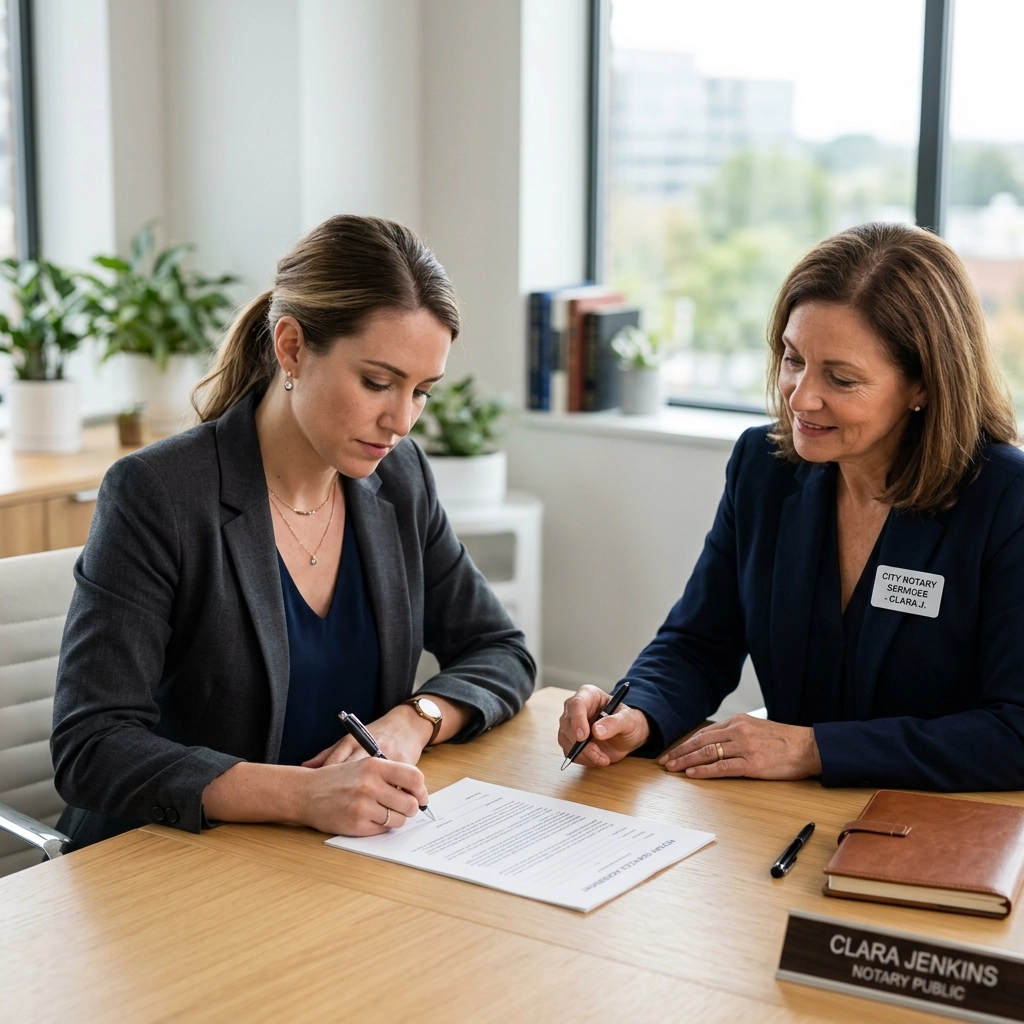
Searching for "notary services near me" feels like a standard part of the real estate journey. Whether buying a first home, selling an investment property, or navigating the complexities of a commercial closing, having a reliable notary seems like a simple box to check. However, even the most seasoned real estate professionals sometimes run into hiccups that can delay a closing by days or even weeks.
It looks like small details often cause the biggest headaches. When those papers are spread out on the table and the clock is ticking toward a deadline, precision matters. Avoiding common pitfalls ensures a smooth transition from "under contract" to "closed." Here are seven common mistakes seen in the field and the best ways to keep the process moving forward without a hitch.
1. Presenting the Wrong Identification
It happens more often than anyone might expect. A signer arrives at the table only to realize their driver’s license expired last month, or perhaps they only brought a digital copy on their phone. While a smartphone is great for most things, most states still require a physical, government-issued photo ID that is current and valid.
Accepting expired IDs or grainy photocopies is one of the quickest ways to stall a transaction. This isn't just a minor technicality; it’s a legal requirement to prevent identity fraud. Before the meeting starts, confirming that all signers have a valid, non-expired passport or state ID is a game-changer. For a deeper dive into what’s required for a successful signing, checking out The Ultimate Guide to Notary Services can provide a clear roadmap.

2. Assuming Everyone Must Be in the Same Room
There is a common belief that every person who needs to sign a document must be physically present at a local office. This often leads to frantic scheduling conflicts or expensive overnight shipping of documents. However, the modern real estate world has moved beyond the "everyone in one room" requirement.
If geographic distance or busy schedules seem like an obstacle, Remote Online Notarization (RON) might be the perfect solution. It allows for secure, digital signatures from almost anywhere. For those wondering if this fits their specific transaction, looking into Remote Online Notarization in 2026 can clarify the legality and benefits for your state. If digital isn't the right fit, a mobile notary can travel to the signer, offering the best of both worlds.
3. Leaving "Blank Spaces" on Certificates
A notarial certificate is the heart of the document, yet it’s often where the most errors occur. Leaving blank fields or forgetting to fill in the signer's name might seem like a small oversight, but it often leads to document rejection by the county recorder or the title company.
Double-checking the certificate before the notary leaves the table is a simple fix. Ensure the venue (state and county) is filled in and the date matches the day of the signing. If the document looks incomplete, it probably is. Taking an extra sixty seconds to review every line on the certificate saves hours of back-and-forth later.
4. Mixing Up Acknowledgments and Jurats
Not all notarizations are created equal. Sometimes a document requires an acknowledgment, where the signer simply confirms they signed the document voluntarily. Other times, a jurat is required, which involves the signer taking an oath or affirmation regarding the truthfulness of the document contents.
Using the wrong certificate type can render the entire document invalid for its intended purpose. If there is confusion about which act is required, asking the document preparer or the title company for clarification is the best path forward. It’s always better to ask a quick question than to have to re-sign a full stack of loan documents because the wrong stamp was used.

5. Overlooking the Venue Information
The "venue" refers to the specific location, usually the state and county, where the notarization actually takes place. It’s a frequent mistake to pre-fill this information based on where the notary lives or where the property is located, rather than where the signing is physically happening.
If a signing occurs in a different county than what is printed on the form, it needs to be corrected. Cross out the incorrect county, write in the correct one, and have the notary initial the change. Ensuring the venue accurately reflects the location of the act keeps the legal chain of custody intact.
6. Using a Notary with an Expired Commission
This might sound like a rare occurrence, but notary commissions expire every few years, and sometimes a busy professional simply misses the renewal date. Using a notary whose commission has lapsed is a major issue that can invalidate every document they’ve signed since the expiration date.
Before the signing begins, verifying the expiration date on the notary’s seal is a proactive step. If the seal is blurry or looks outdated, it might be worth confirming their status. Professional services like Finest Closing Services ensure that every agent is fully vetted and current. When hiring, specifically looking for a loan signing agent ensures they have the specialized training required for complex real estate files.
7. Waiting Until the Last Minute to Schedule
Procrastination is perhaps the most common "mistake" in the closing process. Waiting until the afternoon of a Friday closing to search for "notary services near me" often leads to limited options and higher "rush" fees.
The fix is simple: schedule as soon as the closing date is confirmed. Utilizing a mobile notary or a transaction coordinator can help manage these timelines. To see how professional coordination can save the day, consider reading about how a transaction coordinator fixes closing workflows.

Making the Best Choice: Mobile vs. RON
When deciding how to handle a closing, the choice usually comes down to Mobile Notary services or Remote Online Notarization. Both offer incredible convenience compared to the old way of driving across town to a title office.
- Mobile Notary: Ideal for those who prefer the tactile feel of paper and a face-to-face interaction. The notary comes to the house, office, or even a local coffee shop. You can find some great tips on this in 7 mobile notary hacks.
- RON: Perfect for tech-savvy clients or those in different time zones. It’s fast, secure, and entirely digital.
Comparing RON vs. Mobile Notary helps in choosing the right tool for the job, ensuring the closing remains on schedule.
Next Steps for a Flawless Closing
Real estate transactions are complicated enough without having to worry about notary errors. By keeping an eye on ID requirements, ensuring certificates are complete, and scheduling in advance, most common issues disappear.
If managing these details feels overwhelming, reaching out for professional support can take the weight off your shoulders. Finest Closing Services specializes in making sure every signature is in the right place at the right time.
For assistance with your next closing or to schedule a mobile notary, contact Finest Closing Services at (407) 305-0497 or visit the contact page to get started.
Common Questions About Notary Services
Q: Can a notary help me explain the legal terms in my closing documents?
A: No. A notary is a neutral witness. Providing legal advice or explaining the implications of documents would be considered the unauthorized practice of law. For questions about what you are signing, it’s best to contact your attorney or title agent.
Q: Does my ID have to match my name on the document exactly?
A: Ideally, yes. If a document includes a middle name or a suffix like "Jr.," the ID should support that identity. If there is a significant discrepancy, the notary may not be able to proceed.
Q: How much does a mobile notary cost?
A: Fees vary based on the number of signatures, the travel distance, and the time of day. While there are state-regulated fees for the act of notarization itself, travel and convenience fees are typically added for mobile services.
Q: Can I use a digital copy of my driver’s license?
A: In most jurisdictions, a physical, original government-issued ID is required. Digital versions or photocopies are usually not accepted for real estate transactions.
Q: Is Remote Online Notarization (RON) legal in all states?
A: While many states have passed permanent RON legislation, the rules vary. It is important to check if your specific state and the receiving agency (like the county recorder) accept electronically notarized documents. Reach out to Finest Closing Services at (407) 305-0497 to verify the options for your specific location.